Best Vineyard Tours Jet in the US: The Ultimate Guide to Luxury
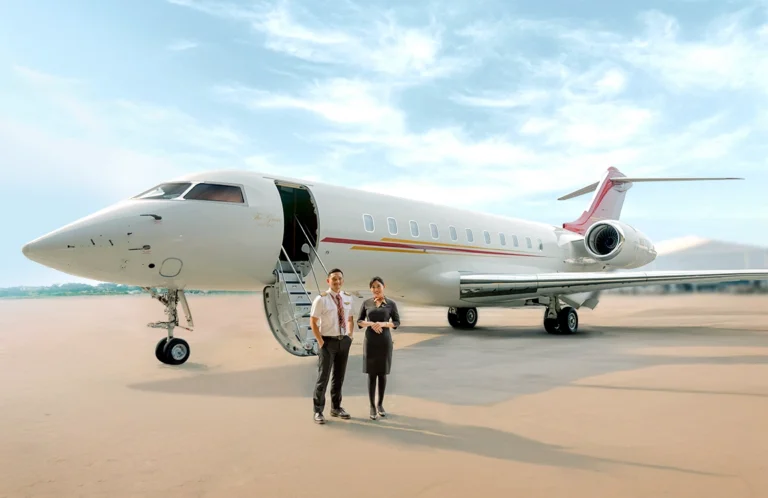
The intersection of private aviation and viticulture represents more than a mere logistical convenience; it is a sophisticated ecosystem designed to bypass the geographical and temporal friction inherent in traditional wine tourism. Best Vineyard Tours Jet in the US. While a typical enthusiast might spend hours navigating commercial terminals and the congestion of Highway 29, the modern collector seeks a tighter integration between the sky and the vine. This shift has catalyzed the growth of specialized services where the arrival at a private terminal is the opening note of a meticulously composed sensory experience.
To understand the current landscape of the high-end wine journey, one must look beyond the glossy imagery of silver jets and rolling hills. The reality is a complex web of logistical coordination, regulatory navigation, and deep-rooted industry relationships. A successful itinerary is not just about the tail number or the vintage; it is about the “last mile”—the transition from the tarmac of a regional executive airport to the gated estates that often do not appear on public maps. This article examines the structural dynamics of this elite travel sector, providing a framework for those navigating the pinnacle of American wine country access.
As the industry matures, the definition of the “best” experience has moved away from standardized luxury and toward radical personalization. The ability to fly directly into a regional hub like Napa County Airport (APC) or the Walla Walla Regional Airport (ALW) is no longer the endgame; it is the baseline. The true value lies in the second-order effects: the extra four hours gained for a vertical tasting, the private audience with a winemaker who typically avoids the public eye, and the seamless transport of temperature-controlled acquisitions back to a private cellar.
Understanding “best vineyard tours jet in the us”
The phrase best vineyard tours jet in the us is often misinterpreted as a simple search for a flight-and-tasting package. In reality, it describes a highly specialized segment of the luxury travel market where the private jet acts as a “bridge” between disconnected viticultural hubs. To master this domain, one must recognize that the “best” tour is defined by its lack of friction and its depth of access, rather than the price tag of the aircraft or the bottle.
The Problem of Definition
A common misunderstanding is that any private flight to a wine region constitutes a “jet vineyard tour.” However, the industry distinguishes between charter-to-destination (where the jet is merely transport) and integrated viticultural aviation (where the aviation company and the wineries operate in a coordinated partnership). In the latter, the flight experience itself may include sommelier-led tastings designed for high-altitude palates, where low humidity and cabin pressure are factored into the selection of high-acid, aromatically resilient wines.
Oversimplification Risks
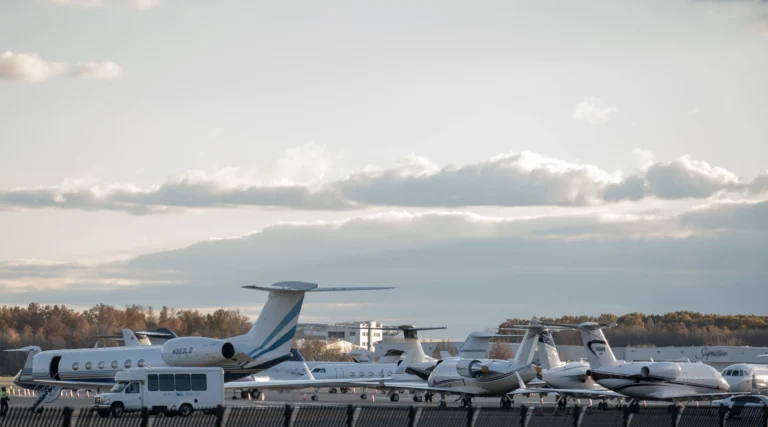
One of the primary risks for the uninitiated is the “proximity trap.” Many travelers assume that flying into a major international airport near a wine region is sufficient. However, the best vineyard tours jet in the us leverage the 5,000+ public-use airports available to private aircraft—most of which are ignored by commercial carriers. For example, landing at San Francisco International (SFO) vs. Napa County (APC) can mean a difference of three hours in transit during peak Friday traffic. The “best” tours prioritize these secondary and tertiary airstrips to maximize the time spent on-site at the estates.
Deep Contextual Background: The Evolution of Access
The marriage of private aviation and elite wine tourism is a relatively recent phenomenon, born out of the post-1970s American “Wine Renaissance.” As Napa Valley and later the Willamette Valley and Paso Robles gained global prominence, the infrastructure required to support high-net-worth collectors evolved from simple tasting rooms to private estates requiring advance appointments and referrals.
From Proximity to Exclusivity
In the early days, wine country was a weekend destination for local elites. As the “Cult Cabernet” era took hold in the 1990s, the geography of wine became more fragmented. Top-tier vineyards were no longer clustered solely along main roads; they moved to the “benches” and mountain ridges—areas like Pritchard Hill or the Ribbon Ridge AVA. This geographical dispersion made traditional ground-based tourism inefficient.
The rise of fractional jet ownership and sophisticated charter brokerage in the 2000s democratized access to private aviation for a broader segment of high-earning individuals. This coincided with a shift in winery business models toward “Direct-to-Consumer” (DTC) sales and member-exclusive events. The best vineyard tours jet in the us emerged as the logical solution to this mutual need for high-efficiency, high-privacy engagement.
Conceptual Frameworks and Mental Models
To navigate the complexities of jet-based wine travel, it is helpful to apply specific mental models that guide decision-making and expectations.
1. The Friction-Value Ratio
This framework suggests that the value of a vineyard tour is inversely proportional to the friction required to reach it. In a traditional tour, the “friction” includes TSA lines, baggage claims, and rental car queues. In the best vineyard tours jet in the us, the objective is to reduce this friction to near zero.
-
Limit: This model fails if the logistics on the ground (the car service or the winery’s readiness) do not match the speed of the flight.
2. The Aperture of Access
Think of a vineyard’s accessibility as a lens. A public tasting room has a wide aperture—anyone can enter. An appointment-only estate has a narrow aperture. The “jet-integrated” tour uses the prestige and vetting of the aviation partner to “open the aperture” of the most exclusive estates, which often treat private jet arrivals as a signal of serious intent and collecting potential.
3. The Altitude Sensory Shift
A critical mental model for in-flight tastings is the physiological change in the human palate at 40,000 feet. The dry air and cabin pressure can dull the perception of salt and sugar by up to 30%, while making tannins feel more aggressive.
-
Limit: Not all wines benefit from this exposure. Delicate, aged Burgundian-style Pinot Noirs often “shut down” in flight, whereas bold, fruit-forward Napa Cabernets or high-acid Rieslings perform better.
Key Categories and Variations
Not all vineyard tours are created equal. The best vineyard tours jet in the us typically fall into one of four primary categories, each with distinct trade-offs in terms of cost, privacy, and duration.
| Category | Primary Benefit | Typical Region | Logistics Complexity |
| The Day-Trip Sprint | Efficiency | Napa, Paso Robles | High (Tight Timing) |
| The Multi-AVA Circuit | Breadth of Terroir | CA-OR-WA | Extreme (Multiple Legs) |
| The Estate Buyout | Absolute Privacy | Sonoma, Finger Lakes | Low (Stationary) |
| The Collector’s Harvest | Education/Direct Access | Willamette Valley | Moderate (Seasonal) |
Realistic Decision Logic
Choosing the right category depends on the objective. A “Day-Trip Sprint” is ideal for the busy executive who wants to secure their annual allocation and be home for dinner. A “Multi-AVA Circuit” is for the serious student of terroir who wants to compare the volcanic soils of the Dundee Hills with the alluvial fans of Oakville in a single 48-hour window.
Detailed Real-World Scenarios Best Vineyard Tours Jet in the US
Scenario 1: The Cross-Regional Vertical
A collector in New York wishes to compare 2018 vintages from three different AVAs across California and Oregon.
-
Execution: A mid-size jet departs Teterboro (TEB) for McMinnville (MMV) for a morning tasting in the Willamette Valley. The afternoon involves a 90-minute hop to Napa (APC) for a twilight session on Howell Mountain.
-
Failure Mode: Wind shear in the Pacific Northwest causes a 2-hour delay at MMV. Because the Napa winery is appointment-only and has a hard 5:00 PM close, the second leg of the trip is compromised.
-
Second-Order Effect: The collector learns the value of “buffer time” and the necessity of having a ground concierge who can renegotiate winery schedules in real-time.
Scenario 2: The Harvest Immersion
A group of six flies into Santa Barbara (SBA) for an “active” harvest experience in the Sta. Rita Hills.
-
Execution: The tour involves participating in the “punch-down” process and a private lunch with the winemaker.
-
Constraint: Physical fatigue. Many travelers underestimate the physical toll of vineyard terrain and the dehydrating effects of flight combined with alcohol.
-
Failure Mode: Over-scheduling. Trying to hit four wineries in a day after a transcontinental flight leads to sensory burnout.
Planning, Cost, and Resource Dynamics
The economics of the best vineyard tours jet in the us are tiered and often non-linear. Beyond the hourly rate of the aircraft, one must account for repositioning fees, overnight crew costs, and “corkage” on the ground.
Range-Based Cost Estimations (USD)
| Item | Low-End (Light Jet/Regional) | High-End (Large Cabin/National) |
| Flight (Hourly) | $4,500 – $7,000 | $12,000 – $25,000 |
| Airport Fees (FBO) | $200 – $500 | $1,000 – $3,000 |
| Winery Tasting Fees | $100 – $250 / person | $500 – $1,500 / person |
| Ground Transport | $150 / hour (SUV) | $350 / hour (Sprinter Limo) |
The Opportunity Cost
The true cost calculation for the best vineyard tours jet in the us is the value of time. For a high-net-worth individual, the 10–12 hours saved on a round-trip journey often offsets the $20,000+ premium of a private charter.
Tools, Strategies, and Support Systems
Executing a flawless tour requires a suite of specialized tools and roles.
-
FBO (Fixed Base Operator) Concierge: The bridge between the aircraft and the car. They handle the “ramp-side” pickup, ensuring your wine is moved directly from the SUV to the jet’s climate-controlled cargo hold.
-
Climate-Controlled Shipping Partners: Essential for large acquisitions. One should never assume a jet has enough cargo space for 20 cases of wine.
-
Third-Party Sommelier Consultants: Professionals who vet the wineries beforehand to ensure the “tour” isn’t just a sales pitch, but a deep technical dive.
-
Real-Time Flight Tracking Apps: To keep ground transport and wineries updated on arrival windows.
-
Digital Cellar Management: Tools to immediately log new purchases into the home inventory system while on-site.
-
Protective Transit Packaging: Specialized “Wine Check” luggage or custom styrofoam inserts for the jet’s hold to prevent thermal shock and breakage.
Risk Landscape and Failure Modes
The “compounding risk” in luxury wine travel is often invisible until it occurs.
-
Thermal Shock: A common failure mode where wine is left on a hot tarmac for 30 minutes during a luggage transfer. This can “cook” the wine, ruining the chemistry and aging potential of a $500 bottle.
-
The “Palate Fatigue” Cascade: After the third winery, the ability to discern nuance in high-tannin reds evaporates. A poorly planned tour puts the most expensive tasting at the end of the day, leading to poor purchasing decisions.
-
Regulatory Friction: Moving wine across state lines via private aircraft is generally simpler than commercial flight, but specific volume limits can still apply depending on the destination state’s direct-shipping laws.
Governance and Long-Term Adaptation
For the recurring wine traveler, the tour is not a one-off event but part of a long-term “Cellar Strategy.”
Layered Review Checklist
-
Post-Tour Evaluation: Did the wines tasted on-site match the profile of those delivered home? (Testing for “travel shock”).
-
Relationship Monitoring: Which estates provided “back-room” access based on the jet arrival?
-
Logistical Audit: Were the FBO transfers seamless? Did the driver understand the specific geography of the vineyard mountain roads?
Common Misconceptions and Oversimplifications
-
Myth 1: “You can always fly into the center of the valley.” * Correction: Many regions have strict noise curfews and weight limits. Some Napa airports can’t handle large-cabin jets like a Global 7500.
-
Myth 2: “Private jet tours include the wine cost.” * Correction: In the best vineyard tours jet in the us, the flight and the wine are almost always separate transactions to maintain legal compliance with liquor laws.
-
Myth 3: “Every winery loves a private jet arrival.” * Correction: Some ultra-boutique “farmer-winemakers” find the spectacle antithetical to their brand. Research is required to match the traveler’s style with the winery’s culture.
Measurement, Tracking, and Evaluation
How do you measure the success of a $50,000 weekend?
-
Leading Indicators: Accuracy of the itinerary (did you arrive within 10 minutes of the appointment?), the temperature of the wine upon loading, and the responsiveness of the ground concierge.
-
Lagging Indicators: The “Cellar ROI”—did you gain access to a 5-year waitlist because of the visit?
-
Qualitative Signals: The depth of the conversation with the winemaker. Did you move beyond the “marketing deck” and into the technicalities of soil pH and clonal selection?
Example Documentation
A “Tour Debrief” document should include:
-
The Flight Log: Specifics on how the altitude affected the palate.
-
The Estate Insight: Notes on which blocks of the vineyard were most impressive.
-
Logistical Friction Points: Any delays at the FBO or issues with the car service’s GPS on rural backroads.
Conclusion
The pursuit of the best vineyard tours jet in the us is ultimately a pursuit of mastery over time and terroir. By leveraging private aviation, the collector is not just buying a flight; they are buying the ability to see a region through a high-definition lens, unclouded by the logistical noise of mass tourism. As the industry continues to refine the “air-to-estate” experience, the focus will shift even further toward specialized education and biological preservation of the wine during transit.
For the traveler, the key to success lies in intellectual honesty—recognizing the limits of one’s own palate, the physical realities of aviation, and the fact that the most valuable bottle of wine is the one shared in the very place it was grown.