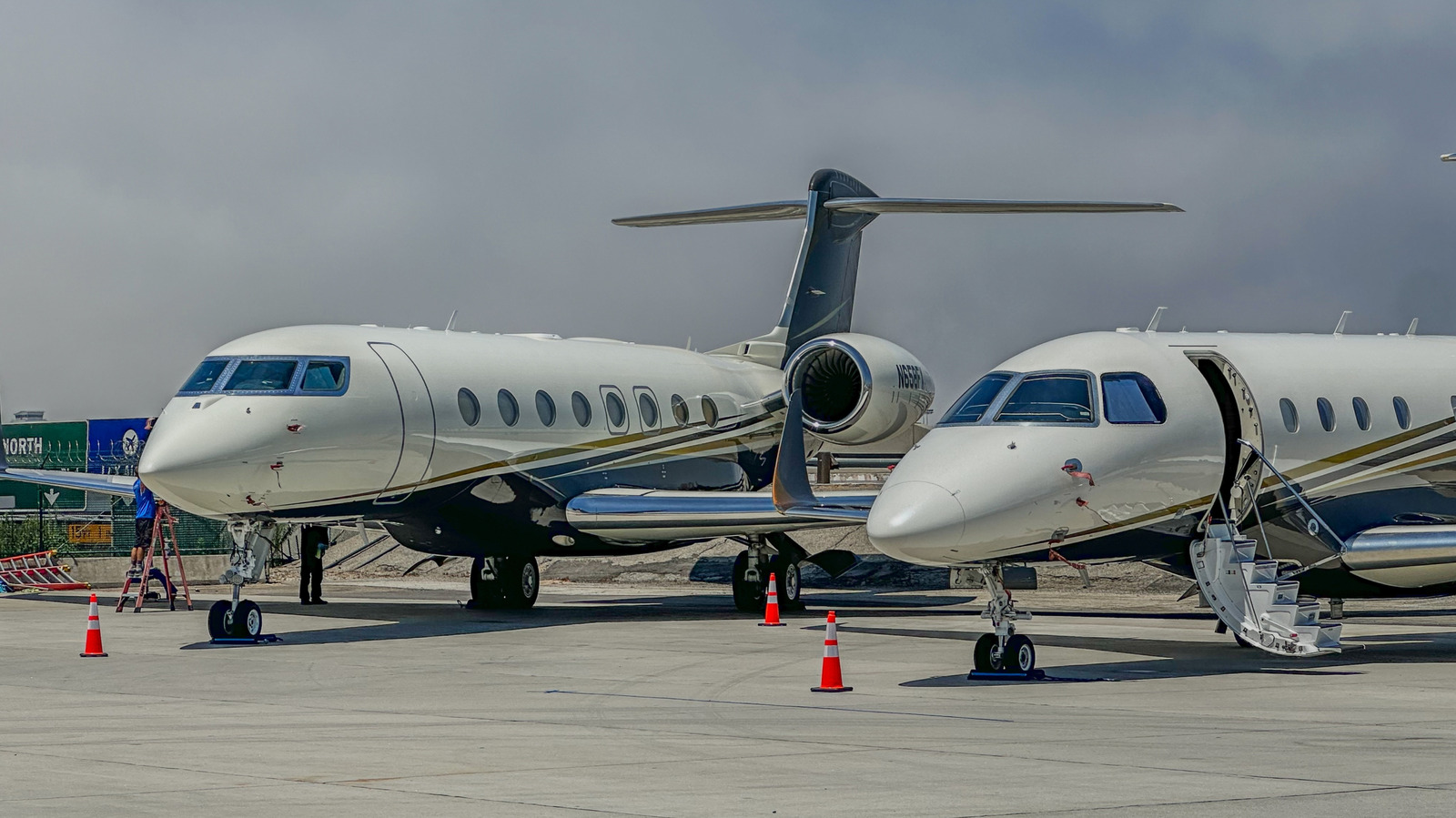
Best Private Jet Terminals in the US: An Editorial Guide to FBOs
The infrastructure of private aviation is frequently reduced in the public imagination to the aircraft themselves—the sleek lines of a Gulfstream or the sheer scale of a Bombardier Global. Yet, for the seasoned traveler and the corporate flight department, the aircraft is merely one component of a broader mobility ecosystem. Best Private Jet Terminals in the US. The true friction, or lack thereof, in a journey often resides on the ground. The private jet terminal, or Fixed Base Operator (FBO), serves as the critical interface between the terrestrial world of ground logistics and the stratospheric world of high-performance flight. It is here that the mission’s success is often decided, away from the headlines and the pressurized cabins.
In the United States, the landscape of private terminals has undergone a profound structural transformation. Once humble “gas and go” stations for general aviation, these facilities have evolved into highly specialized logistics hubs. They now manage everything from international customs clearance and complex fuel hedging to the sensitive security requirements of heads of state and high-profile executives. Choosing the right terminal is not an aesthetic preference; it is a strategic decision that affects “time to wheels up,” pilot fatigue, and the preservation of anonymity in an increasingly transparent world.
Understanding the hierarchy of these facilities requires an editorial eye that looks past the marble lobbies and the high-end espresso machines. One must analyze the ramp capacity, the proximity to primary runways, the thickness of the hangar insulation in mountain climates, and the technical proficiency of the line service crews. As the industry consolidates under major global chains, the tension between standardized corporate service and the bespoke touch of the independent “boutique” terminal has become the defining dynamic of the American ground experience. This analysis serves as a definitive exploration of that landscape.
Understanding “best private jet terminals in the us”
The designation of best private jet terminals in the us is inherently subjective unless viewed through a multi-perspective lens. To a pilot, the “best” terminal is one with a massive, unobstructed ramp, efficient fuel trucks, and a crew rest lounge that genuinely facilitates sleep.
A primary misunderstanding in this sector is the confusion between the airport and the terminal. A world-class airport like Teterboro (TEB) in New Jersey may host half a dozen different terminals, each operated by a different company. Selecting the airport is only the first half of the logistical equation; selecting the specific FBO determines the actual “human” experience of arrival and departure. Oversimplification here often leads to “ramp congestion” delays, where a traveler chooses a famous terminal that is so busy their aircraft is parked a half-mile away from the lobby, requiring a shuttle bus and negating the primary convenience of private flight.
Furthermore, the “best” terminal in a metropolitan hub like Los Angeles operates under entirely different constraints than the best terminal in a mountain enclave like Aspen. In the city, the metric is throughput and ATC (Air Traffic Control) proximity. In the mountains, the metric is hangar space and de-icing capability. A truly authoritative evaluation must therefore account for the mission profile: is this a high-volume corporate shuttle, a sensitive diplomatic transit, or a seasonal leisure mission?
The Systemic Evolution: From FBOs to Global Gateways
The term “Fixed Base Operator” is a relic of the 1920s, coined to distinguish established businesses from the “barnstormers” who flew from field to field. Historically, these were family-owned operations at municipal airports. The evolution toward the modern private jet terminal began in earnest during the 1980s, alongside the rise of the business jet as a critical corporate tool. Facilities began to invest in “VIP” lounges and meeting rooms, recognizing that the terminal was often the first and last impression of a city for high-level investors.
The 2000s saw a massive wave of consolidation. Companies like Signature Aviation and Atlantic Aviation began acquiring independent terminals, creating a standardized “chain” experience across the country. This systemic shift brought reliability and predictable safety standards, but it also led to the “commoditization” of the ground experience. In response, a new tier of ultra-luxury independent terminals emerged—facilities like Sheltair or Jet Aviation—which focus on architectural distinction and bespoke service to differentiate themselves from the corporate giants.
Today, we are witnessing the “Smart Terminal” era. Modern facilities are integrating sustainable aviation fuel (SAF) infrastructure, electric vertical takeoff and landing (eVTOL) pads, and biometric security gates. The systemic evolution has moved from “selling fuel” to “managing time and energy.”
Conceptual Frameworks and Mental Models
To analyze a terminal with intellectual rigor, we utilize three primary mental models.
1. The “Valet-to-Wing” Efficiency Model
This framework measures the physical and temporal distance between the passenger’s car door and the aircraft’s air-stair. A top-tier terminal minimizes “touchpoints.” In this model, a facility that requires a passenger to walk through a lobby and out a security door is fundamentally less efficient than one that permits ramp-side vehicle access.
2. The Pilot-Fatigue Mitigation Index
An FBO is as much a crew facility as a passenger one. This model evaluates the “back-of-house” infrastructure. Does the terminal offer quiet rooms, weather-planning stations, and shower facilities? A pilot who is well-rested and has had a seamless refueling experience is a safer pilot. The “best” terminals understand that the crew’s experience directly impacts the passenger’s safety.
3. The Fuel-Hedge Utility
For the operator, the terminal is a financial node. This model analyzes the relationship between ramp fees and fuel prices. Some terminals offer “fee waivers” with a minimum fuel purchase. A sophisticated flight department uses this model to determine if it is cheaper to pay a high ramp fee at a terminal with efficient service or a low fee at a facility where they are forced to buy expensive fuel.
Terminal Categories and Operational Trade-offs
Identifying the premier facilities requires categorizing them by their operational DNA.
| Category | Typical Location | Strategic Advantage | Primary Trade-off |
| The Corporate Hub | Teterboro, Van Nuys | High-volume efficiency, 24/7 ops | High congestion, impersonal |
| The Boutique Independent | Scottsdale, West Palm | High-touch service, unique design | Limited global network |
| The Mountain Enclave | Aspen, Eagle County | Expertise in cold-weather ops | Extreme pricing, limited ramp |
| The Island Gateway | Nantucket, Key West | Seasonal specialization | Space constraints, salt-air wear |
| The Tech Gateway | San Jose, Hillsboro | Privacy, high-speed connectivity | High security-protocol delays |
Decision Logic: The “N-Number” Anonymity Factor
A critical decision point for many travelers is the level of “Ramp Privacy.” Some terminals are designed with “Privacy Hangars” where the aircraft can be pulled inside before the passengers disembark, shielded from long-lens cameras or public view. For high-stakes business or celebrity travel, the “best” terminal is often the one that is the least visible from the airport’s perimeter fence.
Real-World Operational Scenarios Best Private Jet Terminals in the US
Scenario A: The Winter Storm at Aspen (ASE)
A heavy jet is scheduled to depart after a three-day stay during a blizzard.
-
Terminal 1 (Budget/Basic): The plane has been parked outside. It requires three hours of de-icing and the engines are “cold-soaked,” requiring pre-heating.
-
Terminal 2 (Premier/Top-Tier): The aircraft was stored in a heated hangar. It is towed out, engines started, and departs within 30 minutes of the passenger’s arrival.
-
Outcome: The premier terminal saved the passenger three hours of time and thousands in de-icing fluid costs.
Scenario B: The Super Bowl Congestion
Thousands of jets descend on a single city (e.g., Las Vegas or New Orleans) for a weekend.
-
The Failure: A mid-sized terminal accepts too many “drop and go” missions. When it’s time for the return leg, the aircraft is blocked in by three other jets, and the fuel truck is stuck in traffic.
-
The Performance: A world-class terminal utilizes “staged parking” and pre-assigned fuel windows, ensuring that despite the chaos, the principal departs exactly on time.
The Economics of the Ground Game: Planning and Resource Dynamics
The cost of using a private terminal is a combination of direct fees and the “convenience premium.”
Range-Based Fee Structures (Major Metro FBO)
| Fee Type | Light Jet | Mid-Size Jet | Heavy Jet |
| Landing Fee (Airport) | $50 – $150 | $150 – $400 | $500 – $1,500 |
| Ramp/Handling Fee | $100 – $250 | $300 – $600 | $800 – $2,500 |
| Hangar (Per Night) | $250 – $500 | $500 – $1,200 | $2,500 – $5,000 |
| Fuel (Per Gallon) | $6.50 – $9.00 | $6.50 – $9.00 | $6.50 – $9.00 |
The Hidden Cost of “Tankering”: A savvy flight department may “tanker” fuel—buying extra fuel at a cheap airport to avoid the high prices at a luxury terminal. However, the extra weight increases the burn rate during the flight. The “best” terminals are those whose fuel prices are competitive enough that the operator doesn’t need to tanker, reducing wear on the aircraft’s engines and tires.
Infrastructure and Support Systems
The silent engines of a premier terminal are its technical support systems.
-
GSE (Ground Support Equipment): Does the terminal own its tugs, GPUs (Ground Power Units), and lavatory carts, or do they lease them? Owned equipment is generally better maintained and more available.
-
Customs and Border Protection (CBP): Many of the best private jet terminals in the us have “on-site” customs. This allows international flights to clear within the terminal lounge rather than taxiing to a separate government facility.
-
IS-BAH Registration: The International Standard for Business Aircraft Handling (IS-BAH) is the gold standard for ground safety. A terminal with Stage 3 registration has the highest safety culture in the world.
-
Secure Wi-Fi and Meeting Infrastructure: For the business traveler, the terminal is a mobile office. Dedicated fiber-optic lines and soundproof “war rooms” are now baseline requirements.
-
Tug-Only Ramps: To maximize space and safety, some terminals use a “tug-only” policy, where aircraft are never moved under their own power near buildings. This drastically reduces the risk of “hangar rash” or ground collisions.
The Risk Landscape: Identifying Terminal Failure
Risk in a private terminal is rarely about crashes; it is about “operational friction” and “asset damage.”
-
The “Line Service” Error: The most common risk is an inexperienced line tech improperly towing an aircraft, leading to wing-tip or tail damage. This can ground a $50 million asset for months.
-
The Fuel Contamination Risk: While rare in the US, fuel quality control is paramount. Top terminals have multi-stage filtration and daily testing protocols.
-
Security Breaches: A terminal with lax “perimeter gate” protocols can expose a principal to unwanted attention or security threats. The risk compounds at airports with multiple FBOs where security standards may vary.
Governance and Long-Term Adaptation
A flight department’s relationship with a terminal should be governed by a “Preferred Vendor” review cycle.
-
Quarterly Performance Audits: Review the “Time to Fuel” and “Invoicing Accuracy.” If a terminal consistently overcharges for small items or takes an hour to bring a fuel truck, it should be rotated out.
-
Sustainability Triggers: As corporate ESG (Environmental, Social, and Governance) mandates increase, flight departments are favoring terminals that offer SAF and electric ground equipment.
-
Reviewing Hangar Agreements: For those who “base” their aircraft at a terminal, the lease should be reviewed for “Force Majeure” clauses—what happens if the hangar collapses during a storm?
Measurement, Tracking, and Evaluation
Topical authority requires moving from “vibes” to data.
1. Leading Indicators (Predictive)
-
Staff-to-Aircraft Ratio: A terminal with 50 jets on the ramp and only 2 line techs is a disaster waiting to happen.
-
Investment in GSE: The age and condition of the tugs and fuel trucks predict the reliability of the service.
2. Lagging Indicators (Historical)
-
Average “Turn” Time: How long does it take from landing to the passenger being in their car?
-
Safety Incidents per 1,000 Moves: The definitive metric of a terminal’s operational quality.
Common Misconceptions and Industry Myths
-
“The most expensive FBO is the best.” Price often reflects the airport’s real estate value, not the quality of the service. Some of the best service is found at mid-priced independent terminals.
-
“Size equals safety.” A large chain FBO has standardized manuals, but a small independent may have more “tenured” staff who have worked the same ramp for 20 years.
-
“The lobby amenities are for the passengers.” Passengers usually spend less than five minutes in the lobby. The lobby is for the assistants and pilots. The passenger’s “terminal” is the tarmac.
-
“You have to use the FBO the broker picks.” No. You have the right to request a specific FBO at almost any airport. If you prefer the security of one over another, tell your broker.
-
“Fuel is fuel.” The speed of the “pump” matters. A heavy jet taking 3,000 gallons at a terminal with slow trucks can add 45 minutes to your day.
Conclusion
The quest for the best private jet terminals in the us is ultimately a quest for the elimination of variance. In the high-stakes world of private aviation, the greatest luxury is not an gilded lounge, but a ground operation that is so efficient it becomes invisible. Whether it is the technical mastery required to de-ice a fleet in a Teton blizzard or the logistical precision needed to clear customs in a Teterboro midnight rush, the terminal is the anchor of the aviation experience.
As the industry moves toward greater sustainability and digital integration, the “best” terminals will be those that successfully balance high-tech throughput with the high-touch human element that has defined private flight since its inception. For the traveler, the strategy is simple: look past the lobby, audit the ramp, and prioritize the facility that treats your time as the non-renewable resource it is. The ground game is where the flight truly begins.