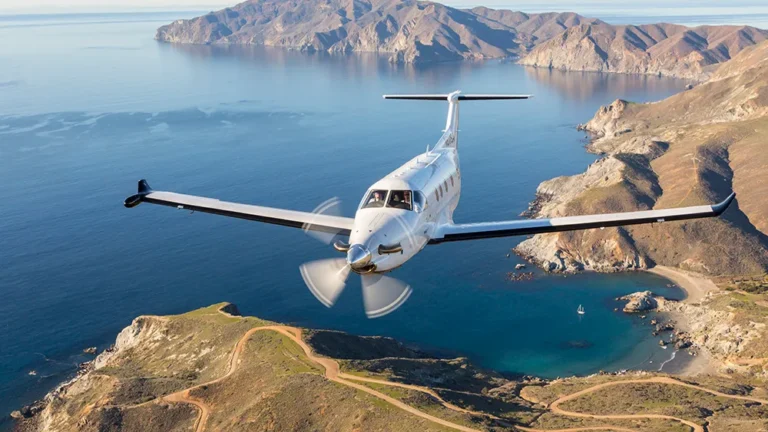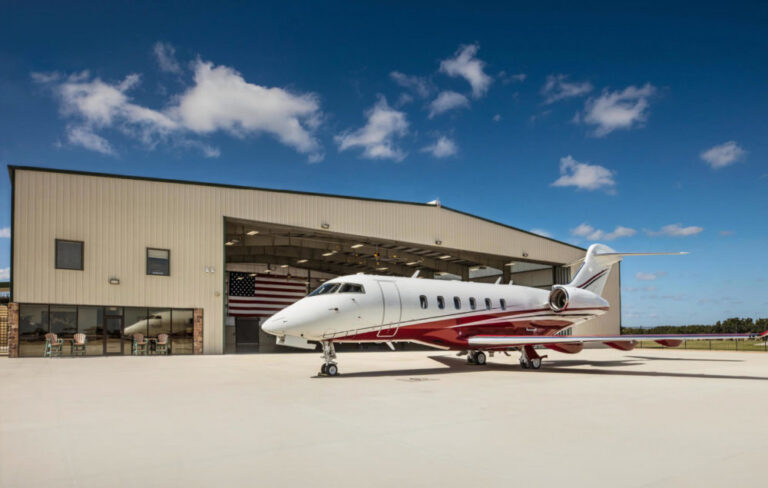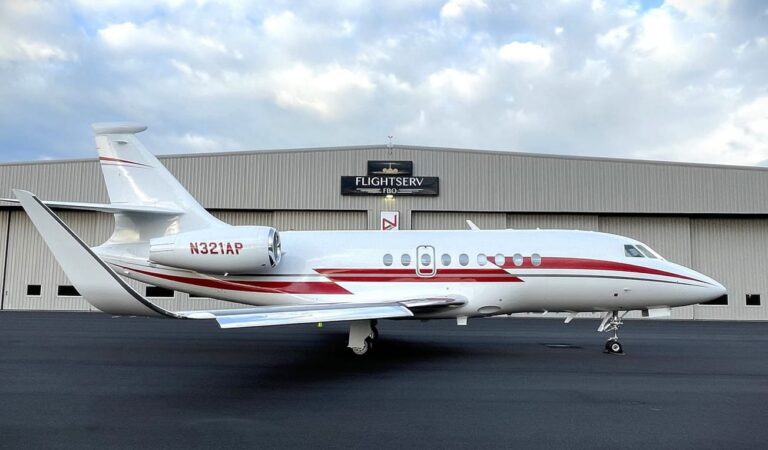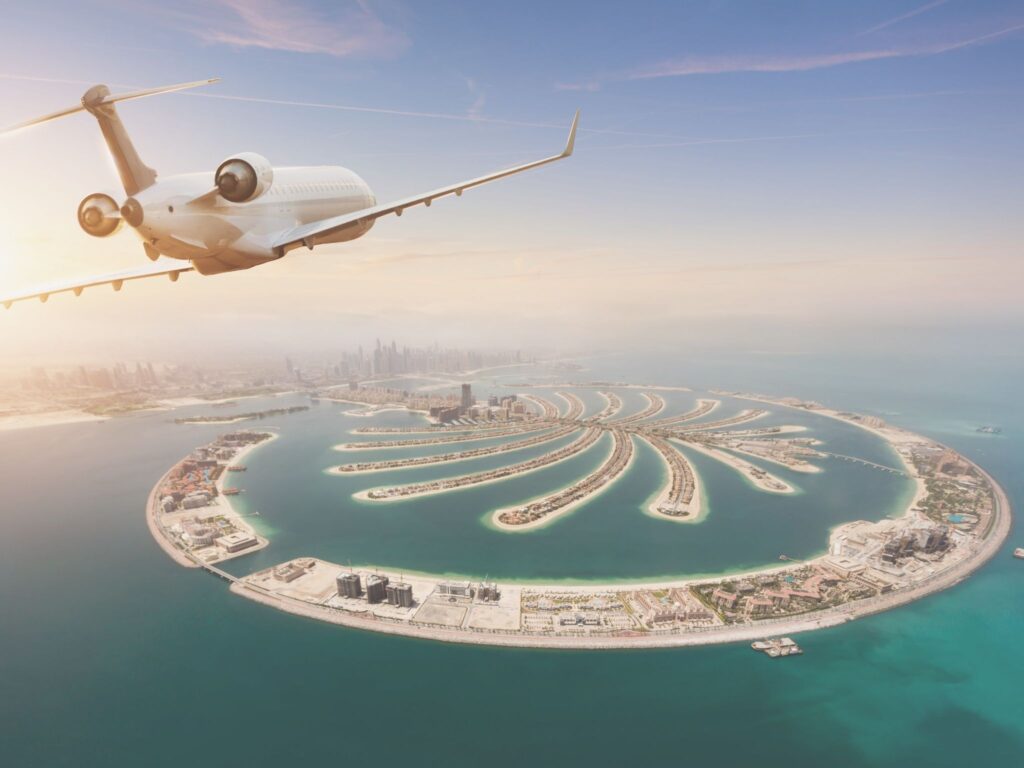
The intersection of private aviation and island geography creates a unique set of logistical and environmental constraints that redefine the concept of luxury travel. Top Private Jet Islands in America. While the term “island getaway” often conjures images of unhurried relaxation, the operational reality for flight departments involves a rigorous calculation of runway lengths, pavement strength, and maritime weather patterns. In the Americas, the geographical diversity of these destinations—ranging from the rugged, glacial outcroppings of the Pacific Northwest to the porous limestone cays of the Caribbean—demands a sophisticated understanding of both aeronautical performance and regional infrastructure.
Selecting a destination within this category is rarely a matter of aesthetic preference alone. The aircraft’s weight, its climb gradient capabilities, and the availability of high-octane fuel or hangarage are the silent arbiters of a trip’s viability. For the principal, an island is a sanctuary; for the captain, it is a calculation of density altitude and crosswind components. This duality forms the core of high-end travel planning, where the “exclusive” nature of a location is often directly proportional to the difficulty of landing a heavy-class jet there.
As we look toward the 2026 travel landscape, the pressure on island infrastructure has never been greater. Rising sea levels and increasingly volatile storm seasons have forced many island municipalities to reconsider their aviation footprints. Meanwhile, the evolution of ultra-long-range jets—capable of crossing oceans but needing significant runways to stop—has created a mismatch between contemporary aircraft technology and mid-century island airstrips. Navigating this space requires more than a casual glance at a brochure; it necessitates a deep dive into the operational mechanics of the most sought-after island destinations in the Western Hemisphere.
Understanding “top private jet islands america”
The designation of top private jet islandsin Americaa is a fluid metric that balances cultural prestige with technical accessibility. It is a common misunderstanding to assume that the “best” island is simply the one with the most five-star resorts. In the lexicon of private aviation, the status of an island is often determined by its FBO (Fixed Base Operator) services and its ability to handle “heavy” iron like the Global 7500 or Gulfstream G700. If an island possesses a world-class beach but only a 3,000-foot runway, it essentially disappears from the map for the ultra-long-range jet set, remaining accessible only to turboprops and light jets.
This category also suffers from oversimplification regarding regional boundaries. When travelers discuss islands in “America,” they are frequently referring to the broader continental scope, encompassing the Caribbean Basin, the Hawaiian Archipelago, and the coastal enclaves of New England. Each of these regions presents distinct meteorological challenges. A Caribbean destination might offer a 7,000-foot runway but suffer from extreme salt-air corrosion, while a Maine island might have a pristine asphalt strip that is unusable for six months of the year due to icing and low visibility.
Furthermore, the “top” islands are increasingly those that offer “pre-clearance” or streamlined customs and immigration. The true luxury of island travel is the elimination of friction. An island that requires a three-hour stopover at a mainland hub for customs before the final “puddle jump” is significantly less desirable than one where the principal can clear on the tarmac. Understanding the hierarchy of these destinations requires looking past the sand and into the regulatory and infrastructure-heavy backend of the airport’s master plan.
Contextual Background: The Evolution of Island Airstrips
The history of island aviation in the Americas is largely a story of military surplus and economic pivot. Many of the runways that define today’s luxury travel routes were originally constructed during World War II as strategic outposts or refueling stops for the U.S. Navy and Army Air Forces. Following the war, these strips were often abandoned or handed over to local governments, which lacked the resources to maintain them for commercial use. It wasn’t until the rise of the “corporate jet” in the 1960s and 70s that these islands began to realize the economic value of a well-paved, 5,000-foot runway.
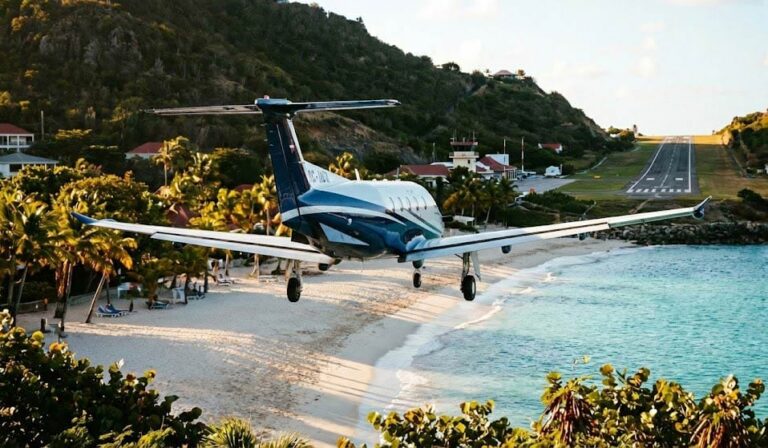
In the Caribbean, the transition from agriculture and fishing to high-end tourism was facilitated almost entirely by the aircraft. Islands like Mustique or St. Barts became iconic not just for their beauty, but for the specific skill required to land there. St. Barts, for example, maintains a legendary status due to its incredibly short runway and steep approach, which limits traffic to specialized aircraft and highly trained crews. This created a natural “filter” for the island, ensuring a level of exclusivity that a 10,000-foot commercial runway would have destroyed.
Conversely, the Hawaiian Islands evolved toward “super-hubs,” where airports like Kona (KOA) or Lihue (LIH) were expanded to accommodate the heavy jets of the 1990s. This created a different type of island luxury—one defined by the ability to fly non-stop from London or Tokyo directly to the beach. Today, the evolution continues as islands grapple with the environmental impact of private aviation, leading to a new era of “green FBOs” and sustainable aviation fuel (SAF) initiatives that aim to preserve the very ecosystems travelers fly in to see.
Conceptual Frameworks and Mental Models
1. The “Runway-to-Airframe” Ratio
This model posits that every foot of runway represents a level of operational flexibility. A 5,000-foot strip is the “pivot point” for private aviation. Above this, you can accommodate mid-size and some large-cabin jets. Below this, you are restricted to light jets and turboprops. When evaluating islands, planners use this ratio to determine if they need to “step down” to a smaller aircraft or if they can fly the principal’s primary jet.
2. The “Remote-Resilience” Framework
Islands are, by definition, isolated. The Remote-Resilience model evaluates an island based on its “recovery” capabilities. If an aircraft has a mechanical failure on the ramp, can a technician and a part be flown in within four hours? Islands with a “High Resilience” (e.g., Grand Cayman or Nassau) are often preferred for business-critical missions, while “Low Resilience” islands (e.g., remote Bahamian cays) are reserved for leisure, where a three-day delay is acceptable.
3. The “Salt-Cycle” Mental Model
This framework accounts for the hidden cost of island travel. Every hour an aircraft spends in the humid, salt-laden air of a coastal island represents a measurable increase in the corrosion cycle of the airframe. Planners must weigh the luxury of “parking on the ramp” against the operational wisdom of “drop-and-go” (where the plane drops the passengers and flies to a dry, inland hangar).
Key Categories of Island Destinations and Technical Trade-offs
The “Top” islands are categorized not by their geography, but by their operational profile.
| Category | Representative Island | Runway Length | Aircraft Class | Trade-off |
| The Super-Hub | St. Maarten (SXM) | 7,500+ ft | Ultra-Long Range | High traffic vs. Capability |
| The Boutique Strip | St. Barts (SBH) | < 2,500 ft | Turboprop Only | High exclusivity vs. High risk |
| The Estate Cay | Musha Cay / North Eleuthera | 4,000 – 5,000 ft | Light/Mid Jet | Private vs. Limited service |
| The Pacific Enclave | Lanai (LNY) | 5,000 ft | Mid-Size Jet | Remote beauty vs. Logistics |
| The Atlantic Outpost | Nantucket (ACK) | 6,300 ft | Large Cabin | Ease of access vs. Weather volatility |
| The Tax Haven | Grand Cayman (GCM) | 7,000 ft | All Classes | Professional FBO vs. High fees |
Decision Logic: The “Wet-Runway” Variable
When choosing an island destination during the rainy season, the decision logic shifts from “Can we land?” to “Can we stop?” A 5,000-foot runway that is perfectly safe when dry can become a liability when wet, especially for jets without thrust reversers or those with high approach speeds. In these cases, the “Top” island becomes the one with the longest runway, top private islandsin Americaa, regardless of the resort’s proximity.
Detailed Real-World Scenarios and Decision Logic: Top Private Jet Islands in America
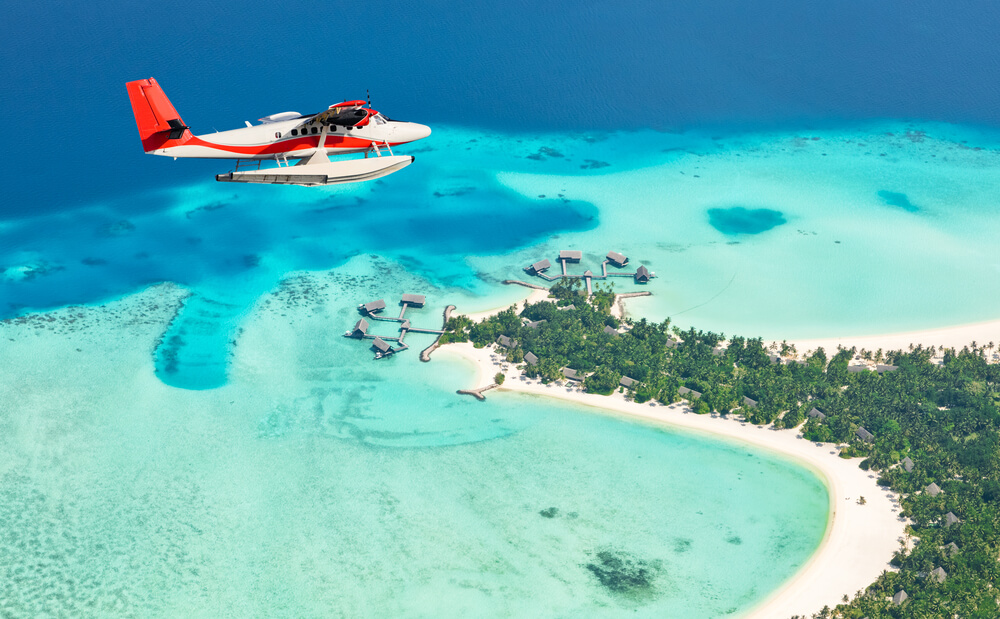
Scenario A: The St. Barts “Puddle Jump”
A principal wants to take a Gulfstream G650 from New York to St. Barts.
-
The Constraint: The G650 cannot land at SBH.
-
The Decision Point: Fly the G650 to St. Maarten (SXM) and take a 10-minute “shuttle” via a Pilatus PC-12 or a helicopter.
-
Second-Order Effect: SXM parking is often “slot-controlled” during peak season. If a slot isn’t secured months in advance, the G650 must fly to San Juan or Anguilla for parking, increasing crew duty time and fuel costs.
Scenario B: The Nantucket “Fog-Out”
A corporate team is flying to Nantucket (ACK) for a board retreat in June.
-
The Constraint: ACK is notorious for “sudden onset” fog that drops visibility below minimums in minutes.
-
The Decision Point: Have a pre-filed alternate for Hyannis (HYA) or Martha’s Vineyard (MVY).
-
Failure Mode: Attempting multiple approaches in low visibility, which depletes fuel reserves and increases risk. The “Professional” choice is a single attempt followed by an immediate diversion to the mainland.
Scenario C: The Lanai “Single-FBO” Trap
An owner flies to Lanai (LNY) for a week.
-
The Constraint: The island has limited FBO competition and no significant maintenance facilities.
-
The Risk: A “bird strike” on arrival or a “starter-generator” failure on departure.
-
Mitigation: The flight department must carry a “fly-away kit” with common spare parts and ensure the crew has a satellite phone, as cellular coverage on the ramp can be spotty.
Planning, Cost, and Resource Dynamics
The “hidden” costs of island operations are significantly higher than mainland flying.
| Resource Item | Mainland Average | Island Premium | Variability |
| Fuel (Jet-A) | $5.50 – $7.00/gal | $9.00 – $14.00/gal | High (LLogistics-based |
| Ramp/Parking | $100 – $500/night | $500 – $2,500/night | Extreme (Peak season) |
| Catering | $500/order | $1,200+/order | High (Import costs) |
| Ground Power (GPU) | $75/hour | $200+/hour | High |
The Opportunity Cost of Hangarage:
On most islands, hangar space is nonexistent. The opportunity cost of leaving a $70 million jet in the salt air for 10 days is the accelerated depreciation of its paint and exterior seals. A sophisticated flight department will calculate the “Ferry Cost” (flying the plane to a mainland hangar) against the “Corrosion Cost” of staying on-island.
Tools, Strategies, and Support Systems
-
Slot Management Software: For islands like St. Maarten or Nantucket, using services like Slot-Admin is essential to ensure the aircraft can actually land during the Christmas-to-New-Year peak.
-
Corrosion Inhibitor Sprays: Applications like ACF-50 are applied to the airframe before “Island Season” to create a chemical barrier against salt.
-
Mobile Repair Team (MRT) Contracts: Ensuring your maintenance provider has an MRT that is “passport-ready” to fly to the Caribbean or Hawaii at a moment’s notice.
-
Customs “Pre-Check” Apps: Utilizing eAPIS (Electronic Advance Passenger Information System) to ensure all manifests are cleared before the wheels touch the island tarmac.
-
Island-Specific Performance Data: Using apps like APG (Aircraft Performance Group) to calculate exact takeoff weights from short, hot island strips.
-
Satellite Weather Monitoring: Real-time tracking of convective activity that mainland NEXRAD radar might miss in remote ocean regions.
-
Fuel “Tankering” Strategies: Calculating if it is cheaper to carry the extra weight of mainland fuel (and burn more) versus buying expensive island fuel.
-
Collaborative FBO Relationships: Establishing “preferred” status with major island handlers like Jet Aviation or Signature to ensure priority during congested periods.
Risk Landscape and Failure Modes
The “Single-Runway” Dependency
Most islands have only one runway. If a smaller aircraft has a flat tire or a gear collapse on that runway, the island is “closed” to all jet traffic.
-
The Compounding Risk: If your jet is low on fuel and the runway is blocked by a disabled plane, you are forced into an emergency diversion to another island that may not have customs or adequate parking.
Maritime Weather Micro-Climes
Islands create their own weather. A “clear sky” forecast can turn into a torrential downpour in five minutes as moist air hits the island’s central mountain.
-
The Failure Mode: “Hydroplaning” on a short runway. The lack of a proper “overrun” area on many island strips makes a runway excursion a hull-loss event.
Logistics Fragility
On many islands, the fuel truck is the only fuel truck. If it breaks, the fleet is grounded.
-
The Taxonomy of Risk: This is an “Operational Infrastructure Risk.” It cannot be mitigated by pilot skill, only by arriving with enough “fuel-to-leave” (tankering).
Governance, Maintenance, and Long-Term Adaptation
Effective governance for island operations requires a “Seasonal Adaptation” cycle.
1. Pre-Season Review
Every October, the flight department should audit the airports of the intended “Top” islands. Has the runway been repaved? Have the customs hours changed? This avoids “Day-Of” surprises for the principal.
2. Post-Island Maintenance
Any aircraft that spends more than 48 hours on an island should undergo a “Freshwater Wash” of the engines and airframe immediately upon returning to the mainland. This neutralizes the salt buildup.
3. Adjustment Triggers
If an island’s FBO fees increase by more than 20%, or if the “On-Time Arrival” rate drops due to congestion, the governance plan should trigger a review of “Alternative Hubs” (e.g., using Eleuthera as a gateway to Nassau to avoid the crowds).
Measurement, Tracking, and Evaluation
-
Leading Indicator: “Slot Availability Trend.” If slots are filling up earlier each year, it signals that the island is reaching a “congestion peak” that may degrade the travel experience.
-
Lagging Indicator: “Corrosion Findings during C-Check.” If the annual heavy maintenance check finds unexpected corrosion, it indicates that the “Island Wash” protocol is insufficient.
-
Quantitative Signal: “Effective Hourly Cost (EHC).” The total cost of the trip (including the island’s premium fees) dis ivided by flight hours. If the EHC is 50% higher than mainland trips, the “Value of the Destination” must be re-evaluated.
Documentation Examples
-
The “Salt Log”: Tracking total hours spent on the ramp at coastal airports.
-
The “FBO Performance Report”: A qualitative score given by the crew regarding the speed and accuracy of island ground handling.
Common Misconceptions and Oversimplifications
Myth 1: “The most expensive island has the best FBO.”
Often, the most “glamorous” islands have the most overworked and understaffed ground crews. Sometimes, a “secondary” island has a superior FBO becauseit ise hungry for your business.
Myth 2: “If a 737 can land there, my Gulfstream can.”
Commercial airliners have different “Pavement Classification Numbers” (PCN) than private jets. A runway might be long enough, but the weight of a heavy private jet might “sink” or damage the asphalt if the PCN is too low.
Myth 3: “Island fuel is always ‘dirty’.”
In 2026, island fuel quality is generally excellent due to strict international standards. The “risk” isn’t dirt; it’s the lack of volume, leading to “stale” fuel in low-traffic airports.
Myth 4: “I can always get a helicopter shuttle.”
In high winds—common in the Caribbean—helicopters are often the first to be grounded, even when jets are still flying. Always have a ground or boat “Plan B.”
Ethical and Practical Considerations
The environmental footprint of flying a private jet to a sensitive island ecosystem is an increasingly prominent ethical concern. Many “Top” islands are now introducing “Carbon Offsets” as part of their landing fees. Practically, the “Noise Footprint” is also a factor. Islands with steep hillsides echo engine noise, and many have implemented strict curfews. Breaking a curfew at an island airport doesn’t just result in a fine; it can result in being “blacklisted” from future landings, as these communities are small and highly protective of their peace.
Conclusion: Synthesis and Adaptability
The landscape of top private jet islands america is one where technical rigor meets geographic splendor. The “Top” islands are not merely locations on a map; they are complex operational environments that demand a proactive approach to risk, cost, and maintenance. To succeed in this arena, a traveler must move beyond the allure of the destination and embrace the logistics of the journey.
As we move forward, the most successful island travelers will be those who adapt to the increasing complexity of these routes—those who understand that a PC-12 into a boutique strip is sometimes a more “luxurious” experience than a G700 into a congested hub. In the end, top private islands america, the island is the prize, but the flight department’s expertise is the map. By treating island travel as a specialized discipline, the principal ensures that their sanctuary remains accessible, their aircraft remains protected, and their “getaway” remains truly effortless.